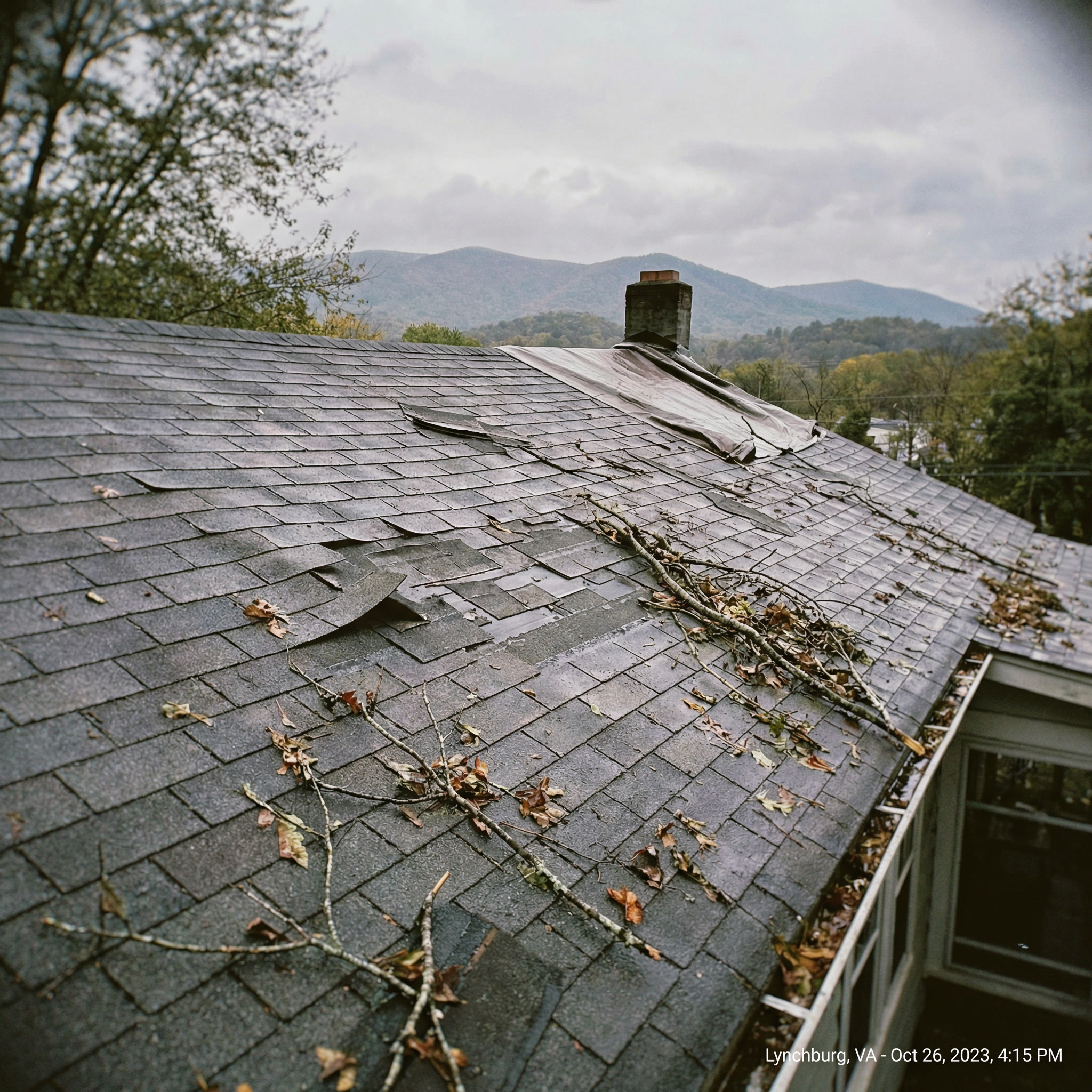
A ceiling tile gets wet, someone places a bucket underneath, and the rain stops. A month later the leak returns, but the person who handled the first incident is not on site. Now the roofing contractor has to piece together the history from memory.
A simple leak log can make commercial roof repair in Lynchburg more efficient. It does not diagnose the roof, but it gives the contractor a clearer picture of when and where the problem appears.
Record the location precisely
“Near the back” is less useful than a marked floor plan or a photograph showing nearby doors and fixtures. Give each leak location a consistent label and use it each time the problem returns.
Remember that the visible drip may not sit directly beneath the entry point. Water can travel through the assembly. The log should describe the symptom without assuming the source.
Note the conditions
- Date and approximate time the leak was discovered.
- Whether it occurred during rain, after rain, or in dry weather.
- Whether the leak was new or recurring.
- The approximate extent of visible interior moisture.
- Any recent rooftop equipment work or known maintenance activity.
Keep photographs from consistent viewpoints when possible. Record whether the stain grew, whether multiple areas were affected, and when the active dripping stopped.
Separate roof concerns from other possible sources
Moisture near a ceiling may involve roofing, rooftop equipment, plumbing, or condensation. A contractor may need to coordinate with another trade to establish the source. Sharing recent equipment service records can help.
When requesting commercial roofing service, describe the building use, access requirements, and any sensitive operations beneath the affected area. That helps plan the assessment around the property.
Keep repair records with the log
Save the date, scope, contractor information, photographs, and warranty documents for previous roof work. If a temporary measure was used, label it as temporary. Otherwise, a future manager may assume the underlying issue was permanently resolved.
Do not allow unrelated maintenance work to make unplanned roof penetrations. Ask that rooftop activity be coordinated and documented so the roof system and equipment details can be considered together.
Use the findings to plan the next step
A recurring leak does not automatically mean the whole roof needs replacement. It also should not be dismissed just because each incident seems small. The condition of the system, the extent of damage, previous repairs, and the owner’s plans all influence the recommendation.
Ask for a clear distinction between immediate repair needs, further investigation, and longer-term maintenance or replacement planning. If a coating is discussed, ask how the existing roof’s condition and compatibility will be assessed first.
Keep people and operations in mind
Restrict access to wet or damaged interior areas as appropriate, and keep staff away from compromised ceilings or electrical hazards. Leave roof access and investigation to qualified personnel. Documentation should never require someone to enter an unsafe area.
Talk through your project with Perimeter
Perimeter Roofing & Exteriors can help property owners and managers in Lynchburg, Roanoke, and surrounding service areas review commercial roof concerns and plan the work. Request an estimate or inspection, or call 434-515-2868.